
Effective ion chromatography requires controlled sample preparation to remove particulates, stabilize matrix composition, and prevent column or detector overload. Filtration or centrifugation with validated membranes and blanks prevents adsorption and breakthrough Ion Chromatography. Match sample ionic strength and buffering to standards to avoid suppression or retention shifts. Use serial dilutions and replicate aliquots to verify linearity and prevent saturation. Apply SPE for selective clean-up or preconcentration when sensitivity demands it. Follow preservation and chain-of-custody practices for reproducible, accurate results—more procedural guidance follows.
Proper Filtration and Particulate Management
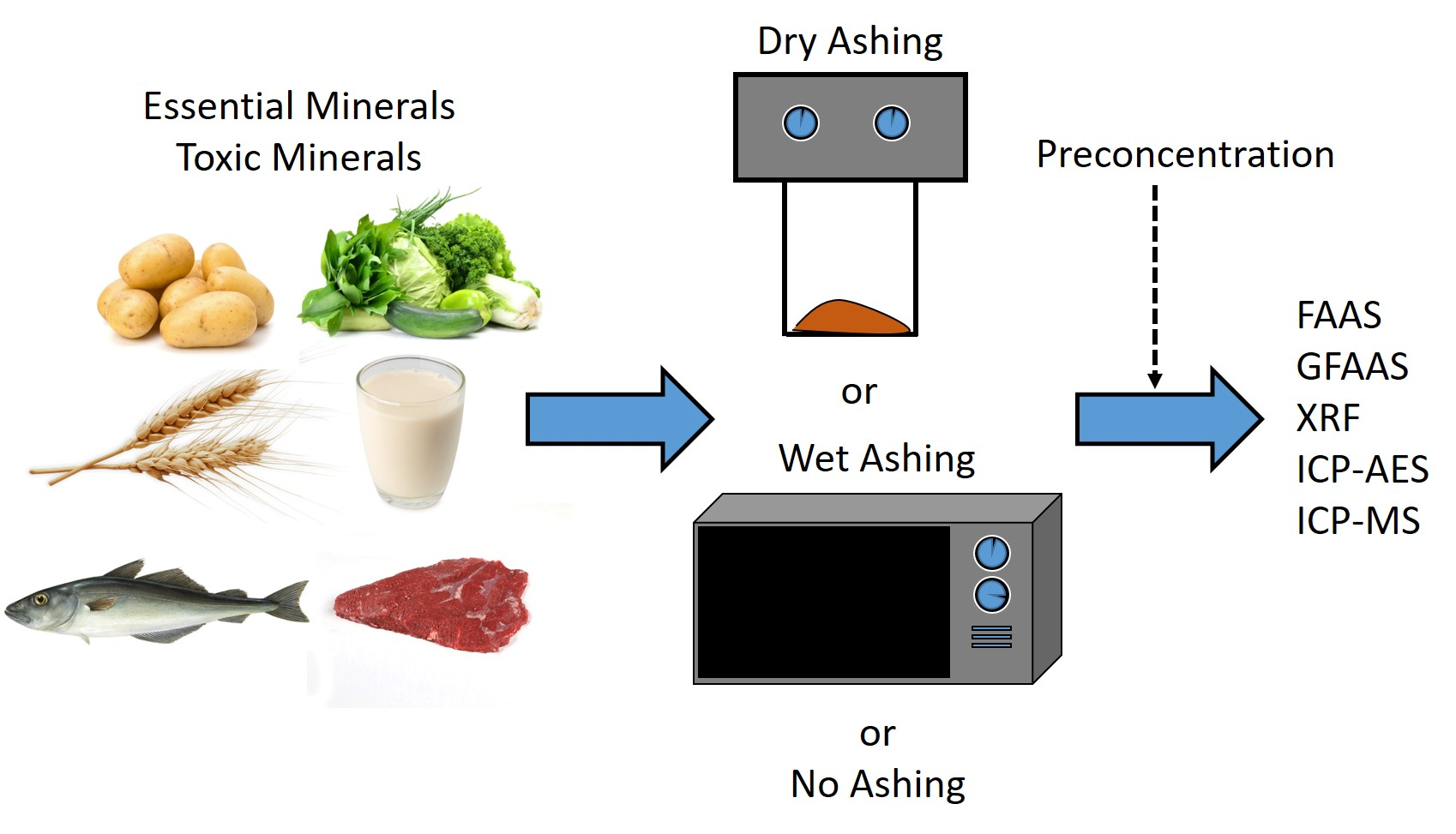
In preparing samples for analysis, proper filtration and particulate management guarantee representative results and protect instrumentation by removing unwanted solids without altering analyte composition. The procedure specifies filter selection based on membrane integrity tests and particle sizing data to prevent analyte adsorption and breakthrough https://laballiance.com.my/. Operators apply validated protocols: pre-rinsing filters, controlling flow rates, and documenting pressure differentials. Disposable materials are preferred where contamination risk compromises freedom of method choice. Filtrate volumes and retention thresholds are recorded to assure reproducibility. When centrifugation precedes filtration, supernatant handling follows the same controls. Maintenance schedules for filtration assemblies are enforced to preserve performance. Chain-of-custody records and routine blanks demonstrate that particulate removal did not introduce bias, supporting defensible analytical outcomes.
Matrix Matching and Ionic Strength Adjustment
When preparing calibration standards and quality controls, analysts adjust matrix composition and ionic strength to match samples closely, ensuring equivalent analyte behavior during extraction, separation, and detection. Matrix balancing and conductivity tuning minimize signal bias and preserve method robustness. The procedure specifies ionic composition, buffering species, and conservative spiking to avoid altering speciation. Matching conductivity prevents retention shifts and peak shape changes; controls verify stability across runs. Practical steps include:
- Measure sample conductivity and major ion content; recreate with reagent blends.
- Adjust ionic strength incrementally, confirming consistent peak area and retention.
- Use matrix-balanced blanks and recovery checks to validate absence of matrix-induced suppression.
This focused approach grants analysts freedom to tailor standards without compromising reproducibility or column integrity.
Dilution Strategies and Avoiding Column Overload
By titrating sample concentration against instrument linearity and column capacity, analysts prevent detector saturation and chromatographic distortion while preserving quantitation accuracy. Practical dilution strategies balance sensitivity and overload risk: perform serial dilutions to bracket expected analyte ranges and confirm linear response, and apply gradient dilutions when single-step reductions disrupt detection limits. Documentation records dilution factors, solvent composition, and rationale to retain traceability and freedom to adjust protocols. Sample aliquoting and replicate analysis verify proportional response and reveal matrix-induced nonlinearities. Conservative initial dilution avoids resin fouling and peak tailing; subsequent targeted concentrates or reanalyses recover low-level analytes if needed. Routine checks of peak shape and retention time signal incipient overload, prompting recalibration or further dilution to maintain reliable results.
Use of Solid-Phase Clean-Up and Preconcentration
Among the most effective strategies for reducing matrix interference and concentrating trace analytes is the application of solid-phase extraction (SPE) and related sorbent-based clean-up techniques. The methodical use of SPE guarantees anion enrichment and removal of coextracted material, improving ion chromatography (IC) accuracy. Attention to sorbent selection, conditioning, loading rates, wash steps, and elution chemistry yields reproducible recoveries. Typical workflow emphasizes control and minimal manipulation:
- Choose sorbent based on target pKa and matrix complexity to maximize anion enrichment and selectivity.
- Condition and equilibrate to guarantee consistent retention, load sample at controlled flow to avoid breakthrough.
- Apply targeted washes to remove interferences, elute under conditions compatible with IC to preserve sensitivity.
This approach grants analysts flexibility while maintaining trace-level fidelity and analytical freedom.
Preservation, Storage, and Sample Stability
For reliable anion analysis, preservation, storage, and stability protocols must minimize chemical and biological transformations from collection through analysis. The practitioner freezes or cools samples immediately, maintaining a validated cold chain to retard microbial activity and ionic migration. Container selection is guided by inert materials, appropriate closures, and pre-cleaning to prevent adsorption, leaching, or contamination. Samples are labeled with collection time, temperature, and preservative; holding times are defined by analyte stability studies. Where freezing is unsuitable, controlled refrigeration and pH adjustment are applied with documented justification. Thawing is performed once, mixed gently, and aliquoted to avoid repeated cycles. Routine audits of storage conditions, chain-of-custody records, and stability checks guarantee integrity and analytical freedom.